
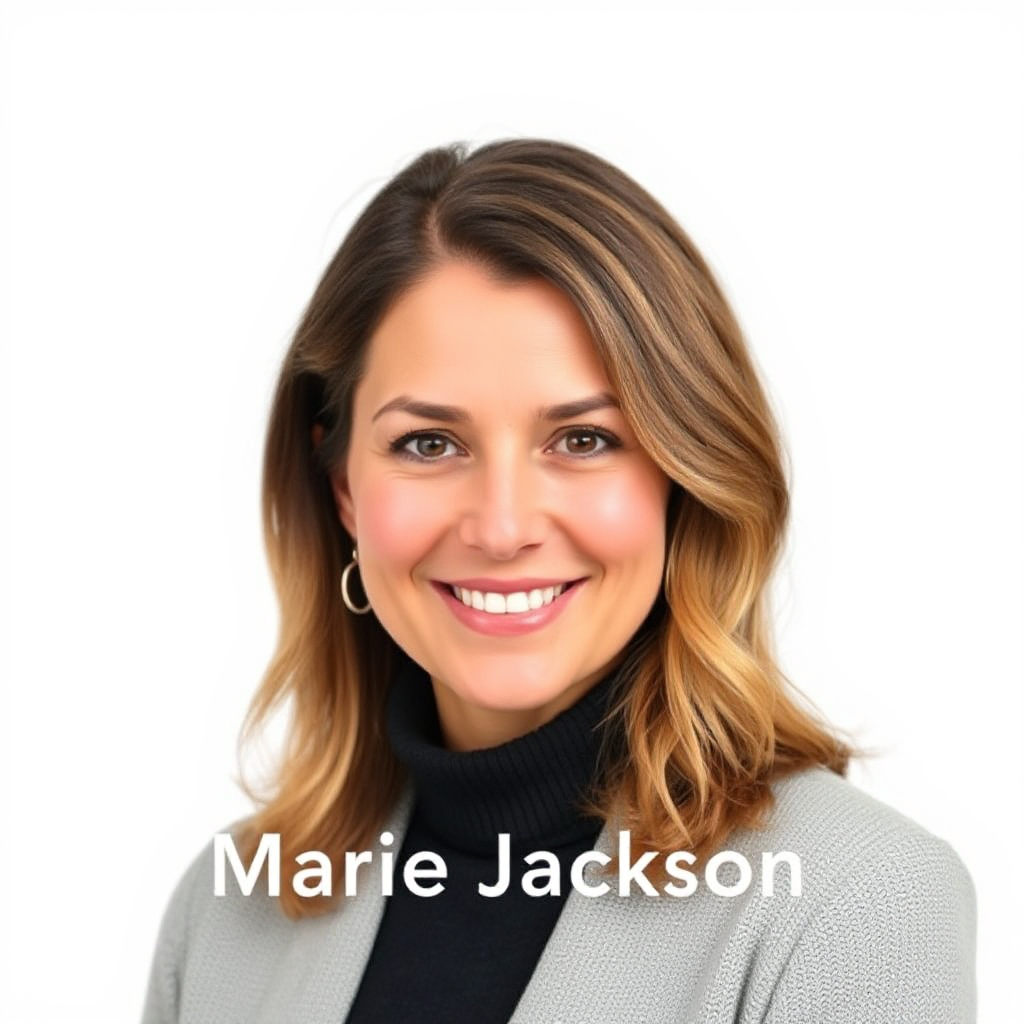

Former Google executive Matt Brittin appointed as the BBC's next leader.
The former president of the tech giant's Europe, Middle East and Africa region will succeed the outgoing director general, who announced his resignation in the autumn after a storm over how a current affairs show edited a speech by Donald Trump.
The corporation's chairman stated that Brittin, who left Google in the previous year after 18 years, "brings to the BBC considerable knowledge of guiding a high-profile and sophisticated institution through significant evolution".
Brittin remarked he "is excited to begin this work", describing it as "a period of genuine danger, yet also significant opportunity".
He stated that the country must have "a successful BBC that serves all in a complicated, unpredictable and quickly shifting world".
Detailing his priorities, he said: "The corporation must have the speed and energy to be both at the heart of news, and engaging with the public. To build on the reach, credibility and creative excellence today, tackle issues with courage, and thrive as a national institution suited to the future."
'Major Overhaul'
The chairman called the new appointee "an outstanding manager" with "the capabilities necessary to steer the broadcaster through the numerous developments occurring in the media market and in viewer and listener behaviours".
The BBC chief also highlighted his "dedication to the BBC, his comprehension of the challenges confronting the organisation, his commitment to its impartiality and his resolve to preserve the BBC's position as one of the country's greatest public institutions".
The new chief joins at "a pivotal juncture", as the authorities examines the BBC's constitutional framework, Shah added.
"Undoubtedly there is a necessity for radical reform of the BBC, its funding model and the system in which it works. The consequences for the BBC, and the long-term viability of publicly-funded media, have never been greater."

The BBC's top job is regarded to be one of the most demanding in British broadcasting.
During his tenure as the BBC's 17th chief, he was faced with handling a succession of controversies and difficult periods at the corporation.
Brittin's immediate concerns will include addressing a high-value defamation claim brought by the American leader against the BBC.
The former president is disputing the way the programme combined two parts of a address he gave on a key date, for which the BBC has said sorry.
Last week the organisation petitioned a legal body to reject the claim, saying the controversial programme was not broadcast in the US.
BBC at a Turning Point
The incoming director general arrives at a critical moment for the BBC in other ways, too.
He will proceed with negotiations with the ministers on the corporation's constitution and the prospects of the licence fee and public service budget.
The existing agreement, which defines the terms and purposes of the BBC's role, will come to an end in the near future.
Brittin's appointment also occurs at a point when the BBC is competing with digital behemoths in the digital media landscape.
Google's corporate entity operates YouTube, with which the BBC recently announced a landmark agreement to produce tailor-made content.
Big Tech History a Asset?
Several individuals within Google "speak highly" about Brittin, describing him as an inspirational leader and a excellent team player".
Several have raised doubts about the BBC's decision to hire someone with a background in the corporate world rather than public service or conventional journalistic expertise.
However, it is understood that "he was chosen by the BBC's governing body for his insider knowledge of major tech firms. There's an expectation he will drive the move to digital, for example in news. He'll also likely prioritise evolving and improving BBC iPlayer."
Ex- senior BBC journalist Peter Barron, who was alongside him at Google, said he is "deeply inspired by a ethos of public service".
"He admires the BBC for its trusted news and its originality, but he's also very aware of its past as a technological leader.
"He wants the BBC to succeed in a environment where several of its most significant issues are connected to tech, whether that's the dominance of the streaming services, online misinformation, or merely how the public wish to watch media.
"Considering his experience and contacts throughout the tech industry, and also the relationships he's forged with broadcasters, the news industry, regulators and politicians, I think he's very well placed to address the issues."
Who is Matt Brittin?

Hailing in southern England, Brittin obtained a qualification from the Cambridge, while also rowing for them in the Boat Race three times.
He also competed for Great Britain and won|secured|earned


